Comprehensive Care for Complex Needs
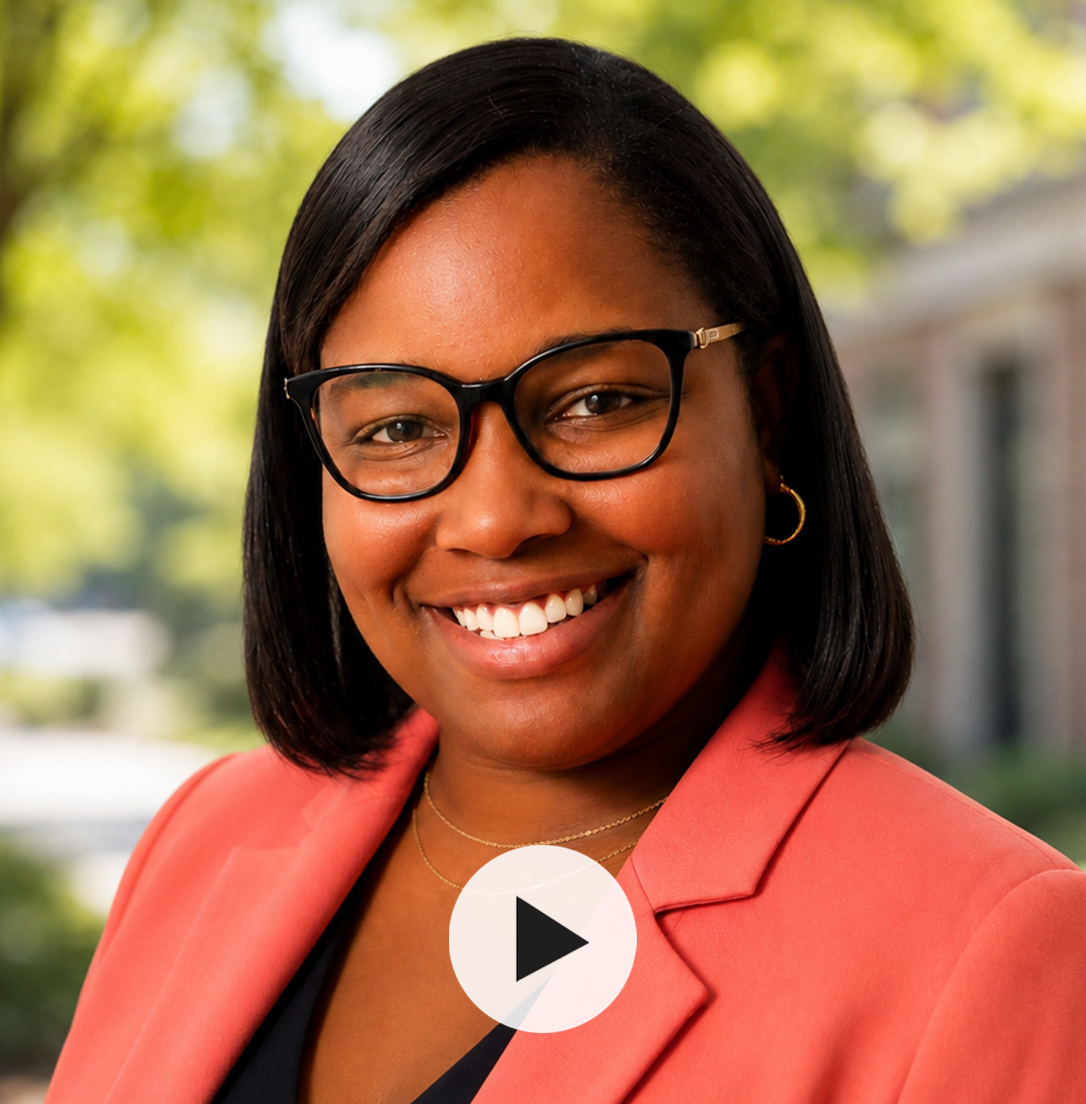
Meet Our Director of Residential Treatment, Jamie Walker-Syph
Jamie Walker-Syph, LISW-S, is the Senior Director of Residential Mental Health Services at Bellefaire’s Shaker Heights location. Directing the agency's Dialectical Behavioral Therapy (DBT)-Adherent program, she specializes in evidence-based residential treatment for youth facing complex mental and behavioral health disorders. Her expertise includes ADHD, mood and thought disorders, trauma, human trafficking, self-harm, and suicidal ideation. Since joining Bellefaire in 2012, Jamie has advanced through multiple roles, including therapist, Cottage Supervisor, and Unit Director. She frequently shares her nearly 15 years of residential treatment experience at professional conferences and webinars.
Behavioral Health Residential Treatment Programs
Located on Bellefaire JCB’s 32-acre Shaker Heights campus, our secure residential programs provide specialized behavioral health treatment for youth with complex and intensive needs. Through individualized treatment, evidence-based interventions, and interdisciplinary care, we help youth stabilize, develop effective coping and behavioral skills, and build the capacity to successfully transition to a less restrictive setting.
Intensive Treatment Units (ITU)
Ages 11–17 | Longer-term intensive treatment | 15 beds per unit
The Intensive Treatment Units serve youth who require a structured, secure setting and intensive behavioral health intervention due to acute psychiatric needs, persistent and pervasive behavioral health challenges, and/or co-occurring mental health and substance use concerns.
The ITUs provide longer-term treatment focused on helping youth:
- Stabilize significant emotional and behavioral challenges
- Develop skills to regulate emotions and manage distress
- Improve interpersonal relationships and communication
- Reduce behaviors that interfere with functioning and treatment
- Strengthen coping, problem-solving, and decision-making skills
- Generalize newly developed skills to school, home, and community settings
- Prepare for a successful transition to a less restrictive level of care
Each youth receives an individualized treatment plan developed through ongoing assessment and collaboration among clinical, medical, educational, and residential professionals. The average length of stay is three to nine months.
The ITUs include two self-contained, co-educational, LGBTQIA+ affirming units.
Stabilization Critical Care Unit (SCCU)
Ages 8–17 | Short-term stabilization and assessment | 4 beds
The Stabilization Critical Care Unit provides an alternative to psychiatric hospitalization for youth experiencing acute behavioral health crises who require intensive, short-term intervention in a highly supervised setting.
The SCCU is designed to help youth:
- Stabilize acute emotional and behavioral symptoms
- Receive intensive clinical assessment
- Identify factors contributing to the current crisis
- Develop immediate coping and regulation strategies
- Establish an individualized plan for ongoing treatment
- Transition safely to the next appropriate level of care
The SCCU provides brief, intensive treatment with a focus on stabilization, assessment, and intervention rather than long-term residential treatment.
Learn more about the SCCU here.
Clinical Needs We Address
Our residential programs provide therapeutic and educational programming for youth with complex behavioral health needs, including:
- Significant mental health and psychiatric needs
- Self-injurious, high-risk, and/or aggressive behaviors
- Co-occurring mental health and substance use concerns
- A broad range of cognitive abilities...
- Trauma/abuse
- Attachment-related challenges
- Borderline personality features
- ADLs, social interaction, and communication challenges
DBT: Building Skills for A Life Worth Living
Both the ITU and SCCU specialize in intensive Dialectical Behavior Therapy (DBT), an evidence-based cognitive behavioral treatment approach that teaches practical skills for managing emotions, relationships, and challenging situations.
Mindfulness
Building awareness of thoughts, emotions, and experiences.
Emotion Regulation
Learning to understand and manage intense emotions.
Distress Tolerance
Developing healthy strategies for coping with difficult situations and crises.
Interpersonal Effectiveness
Strengthening communication, relationships, boundaries, and conflict resolution.
Our goal extends beyond stabilization. We help youth develop skills they can carry with them into their homes, schools, relationships, and communities—building toward a life worth living and a successful transition to a less restrictive environment.
Program Highlights
Family Partnership
At Bellefaire JCB, families and caregivers are essential members of the treatment team. Their involvement helps reinforce the skills youth develop in treatment and supports a successful transition home and to the community.
Caregivers are encouraged to:
- Visit weekly, either in person or virtually
- Participate in family therapy as prescribed
- Attend the weekly DBT Adolescent Skills Group, available in person or virtually
- Learn and practice the same DBT skills their youth are developing in treatment
- Work with the treatment team to prepare for the youth’s transition and ongoing care
Throughout treatment, our providers collaborate closely with caregivers to understand family needs, strengthen communication, and develop a comprehensive discharge plan. Before discharge, the team helps connect families with recommended aftercare services and other community supports to promote continued progress and stability.
In Their Own Words
“There are many things about our daughter that we wish we could change, and during her time here, you helped her move in the right direction. She is better for having spent time with all of you and your program, and the DBT curriculum was the type of guidance that she needed even if she resisted with every fiber of her being. We hope that the team knows how much you have helped change our family for the positive.”
– Parent of a former Residential Treatment resident
"I am so proud of this youth. I have worked with him for 2.5 years now and I can say that this is an entirely different youth than I have ever experienced. I do feel like the treatment he received at Bellefaire made a significant difference for his mother and him. Thank you all for all that the program has done for this family!”
– Child Welfare Referral Partner
"I cannot say enough about the entire staff at Bellefaire JCB. They understood my son and his needs very quickly into his stay and developed an appropriate treatment plan that included behaviors, medical challenges, and his re-engagement into the academic process. They were consistent, firm, loving, kind, and supportive... This was the first facility he has been in where I could just be mom. They gave us hope for his future, which we had begun to lose."
- Parent of a former Stabilization Critical Care Unit resident
Admissions & Referrals
Finding the right treatment program can feel overwhelming for caregivers and referral professionals. Bellefaire JCB’s Admissions team is here to help determine whether residential treatment is an appropriate fit and guide families and referral sources through the referral process.
Each referral is assigned a dedicated Admissions Specialist who reviews available documentation, assesses clinical fit for the program, and provides support and guidance throughout the admissions process. Our team works closely with caregivers, treatment providers, schools, and other referral partners to gather the information needed to determine the most appropriate level of care.
What to Submit With a Referral
To help our team evaluate a youth's needs and determine program fit, referrals should include, when applicable:
- Recent diagnostic assessments or psychological evaluations
- CANS assessments
- IEP/504 Plans or other educational assessments
- Discharge summaries from previous treatment providers
- Documentation of significant medical conditions or needs
- Completed Residential Application Form
How Is Residential Treatment Funded?
Residential treatment is often funded through collaboration among families, treatment providers, and community partners. Common funding sources include:
- School districts
- County Children Services Boards
- County Family and Children First Councils
- OhioRISE
- Juvenile court systems
Bellefaire JCB is not in-network with commercial insurance providers for residential treatment.
Not sure if residential treatment is the right fit?
Our Admissions team can help you understand the referral process and determine whether our program can meet your youth's needs.


Accreditations