Individualized Support for Meaningful Growth
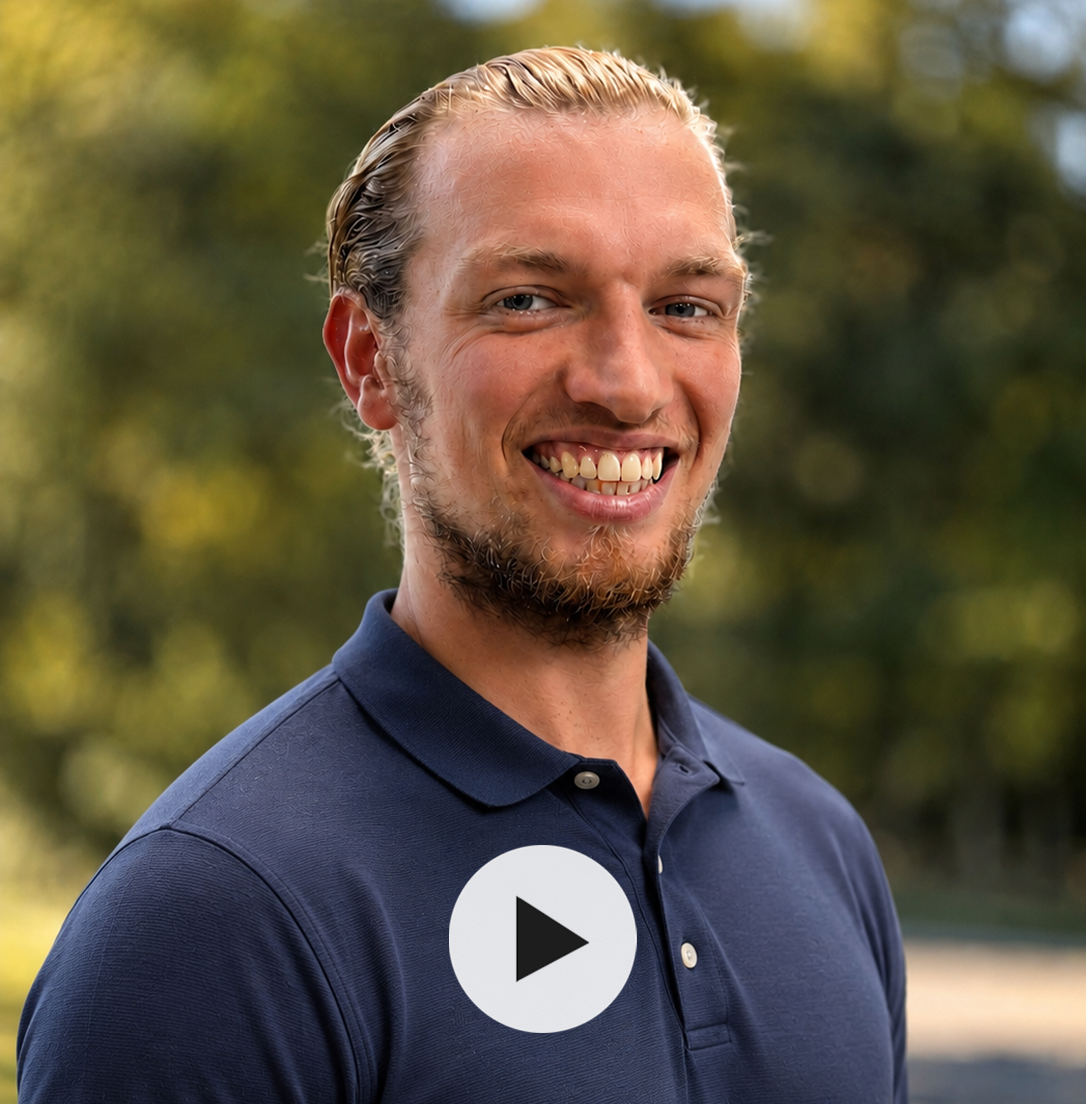
Meet Our Director of Residential Autism Services Eric Feitl!
Eric Feitl, MA, BCBA, COBA, is the Director of Residential Autism Services for the Monarch Center for Autism. He oversees both the QRTP and PRTF programs on Bellefaire’s Shaker Heights campus. Since joining Bellefaire affiliate Monarch Lifeworks in 2018, Eric has advanced from a Treatment Specialist to Clinical Coordinator, transitioning to his current role at the Monarch Center for Autism in 2023. He specializes in evidence-based treatment for youth and adults with ASD, intellectual disabilities, and co-occurring mental health diagnoses. Eric focuses on reducing severe challenging behavior by teaching functional communication, daily living independence, and coping skills, while actively training families and professionals.
Located on Bellefaire JCB’s 32-acre campus in Shaker Heights, Ohio, Monarch Residential Autism Services provides individualized, supportive residential treatment for children and young people with autism and, in some programs, co-occurring behavioral health or intellectual and developmental needs. Across three closely affiliated programs, residents receive the structure, clinical support, education, and opportunities to practice the skills they need to grow in communication, sensory awareness, emotional and behavioral regulation, executive functioning, and daily living. Their health and well-being are supported throughout their stay, with coordinated access to routine and preventive physical and dental care on campus, helping families feel confident that their child’s whole-person needs are being addressed.
Monarch’s goal is to help each resident make meaningful progress toward greater confidence, independence, and success in the community, with the ultimate goal of returning home or transitioning to a less-restrictive setting whenever appropriate. Every resident follows an individualized daily schedule based on their strengths, goals, needs, and developmental level. Skills are taught through one-on-one instruction and small-group activities, with programming informed by ongoing assessment and individualized treatment planning. This approach allows residents to practice skills at the right pace, build on their successes, and receive the level of support they need to make meaningful progress.
Education is an integral part of the Monarch residential experience. Residents receive educational services through Monarch Residential Education, which is part of the same Monarch educational program and model used at Monarch Day School. Monarch’s Visual Language Immersion Treatment Model is integrated throughout the school day, using visual supports, technology, and other evidence-informed strategies to strengthen communication, comprehension, social skills, regulation, and academic learning.This close connection allows educational and residential teams to reinforce goals and strategies throughout the day and across settings.
Monarch Residential Autism Services includes two Qualified Residential Treatment Programs (QRTPs)—Monarch Boarding Academy North and South, serving individuals ages 8 through 21 with Autism Spectrum Disorder, often with co-occurring diagnoses—and Monarch Boarding Academy West, a Psychiatric Residential Treatment Facility (PRTF) serving children ages 6 through 12 with Autism Spectrum Disorder and/or Intellectual and Developmental Disabilities.
Program Features & FAQS
In Their Own Words
“We had a really great experience at Monarch because we saw all the hard work everyone put into making Jake successful. The collaboration between teacher, staff, and residential employees was great in that they all made sure we were on the same page. The staff at Monarch were really in tune with my son, and they worked well with the San Francisco United School District to manage his academic, medical, and educational needs. The communication was also positive. Anytime I had a question, the staff were available to me. They exceeded my expectations with parent training and consistent monthly meetings, where I felt they listened to my feedback.”
-Mother of a Former Monarch Resident (California)
“We would definitely recommend Monarch. The residents are well cared for and safe. The campus is beautiful. It’s not a fly-by-night organization because it’s been around for 150 years. You have to be a credible organization to have someone from Harvard (Dr. Howard Shane) consulting. There aren’t many places like this. Julian had some really good case managers, [one of whom] was the perfect mom when I couldn’t be there. There are really talented people at the school, and the school communication was excellent. It was obvious at IEP meetings that all the specialists knew him well, and they wanted us to be part of the process. They definitely prepared him for independence. He is one of the few people at his adult program who communicates well with his Speech Generating Device. We are so glad we made the decision to go to Monarch. We feel so much gratitude and good fortune.”
-Parents of a former Monarch Resident (illinois)
Dear Monarch Team,
As our student begins the next chapter of their journey, we simply wanted to express our deepest gratitude to each of you for your unwavering commitment to them over the past year and a half. The progress made during their time at Monarch is nothing short of remarkable, and we will be forever grateful for the care, dedication, and expertise your team poured into helping them grow. Through every meeting, it was evident how deeply you knew them, not just as a student, but as an individual. You understood their strengths, challenges, needs, and most importantly, how to support them with compassion, patience, and consistency.
Today’s meeting made something even more apparent, your genuine love and care was reflected in every conversation, every concern, and every hope you shared for their future…We hope you carry the peace of knowing that your team gave our student everything they needed while they were in your care. You did everything right. You believed in them, celebrated their successes, stood beside them through difficult moments, and helped lay the foundation for the progress they have achieved.
Your work has mattered in ways that cannot always be measured. You have changed the trajectory of this student's life, and that is an extraordinary gift. Monarch is so much more than a placement, it is a place that embodies the beauty of personal growth, transformation, resilience, and hope. Thank you for being that place for our student and for so many others.
With sincere gratitude and admiration,
Angela Gardner, Director of Student Services (7-12)
Anthony Wayne Local Schools, Whitehouse, Ohio


Work At Monarch
Join a dedicated team committed to helping children and young adults with autism learn, grow, and thrive. At Monarch, you’ll work alongside experienced professionals in a supportive environment where your skills and contributions make a meaningful difference every day.
Explore our resources, tools, and webinars to support your family.
Accreditations