A Place To Learn, Grow & Thrive
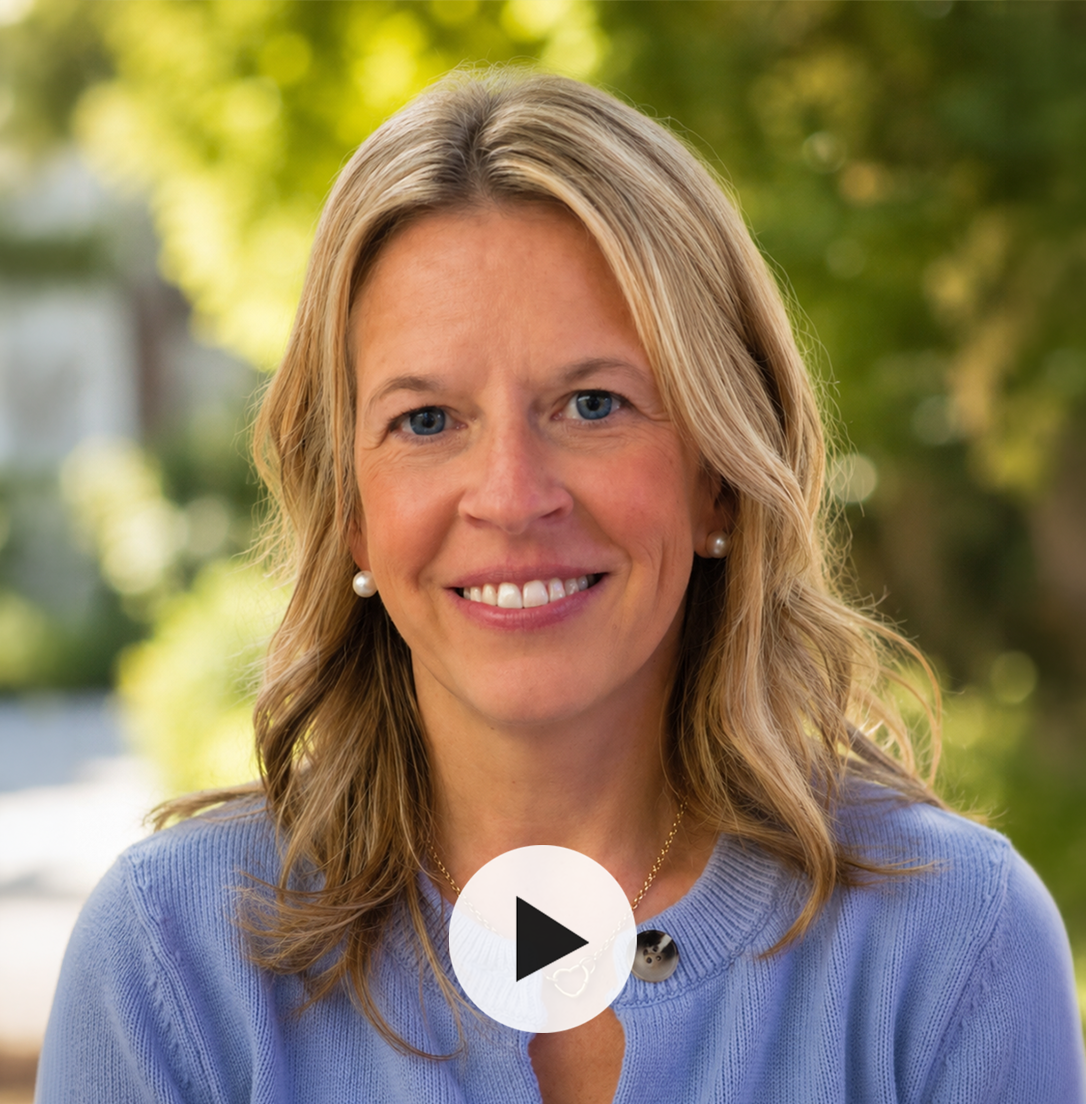
Meet Our Senior Director of Monarch School, Jennifer O’Keefe
Jennifer O’Keefe, LPCC-S, is the Director of Bellefaire JCB's Monarch School, a specialized charter and day school for autistic youth. She began her career with Bellefaire in 2004 as a child care worker and has spent the past 17 years in various leadership roles within the Monarch program. Holding degrees in Art Therapy and Counseling from Mercyhurst University and Ursuline College, Jennifer now leads an interdisciplinary team dedicated to improving the educational outcomes and quality of life for children with Autism and their families.
Located on Bellefaire JCB’s 32-acre campus in Shaker Heights, Ohio, Monarch Day School provides individualized education for students ages 5 through 21 with Autism Spectrum Disorder and, in many cases, co-occurring diagnoses. As a chartered, non-public school licensed by the State Board of Education in Ohio, Monarch combines specialized instruction, therapeutic support, and opportunities to practice skills in real-world settings. The goal is to help every student build on their strengths, make meaningful progress, and develop the skills they need to participate more independently at school, at home, and in the community.
Monarch Day School also provides educational services to students living in Monarch’s residential autism programs. Known as Residential Education for these students, the program uses the same individualized educational approach, specialized expertise, and Monarch Model that guide instruction at the Day School. This integrated approach helps ensure consistency across educational and residential settings and allows students to build and apply skills throughout their day.
Individualized Learning for Every Student
Every student learns differently. Monarch creates individualized educational experiences based on each student’s abilities, communication style, learning needs, and goals. Students learn in small classroom teams and receive one-on-one and small-group instruction guided by their Individualized Education Plan (IEP) or Service Plan (SP).
Monarch’s Visual Language Immersion Treatment Model is integrated throughout the school day, using visual supports, technology, and other evidence-informed strategies to strengthen communication, comprehension, social skills, regulation, and academic learning. Students also receive speech and/or occupational therapy as outlined in their IEP or Service Plan, along with opportunities for art, music, and other social and enrichment experiences.
Learning extends beyond academics. Students develop skills in communication, social interaction, emotional and sensory regulation, executive functioning, daily living, motor development, behavior, and pre-vocational preparation. By practicing these skills throughout the school day and across different environments, students have opportunities to build confidence and apply what they learn in meaningful ways.
Designed Around the Needs of Autistic Learners
Monarch’s school environment is intentionally designed to support sensory regulation, engagement, and learning. Natural lighting, quiet spaces, sensory and gross motor areas, small-group and one-on-one learning spaces, life skills areas, adapted playgrounds, and a sensory garden give students opportunities to learn and regulate in ways that work for them.
Technology and specialized communication tools, including Speech Generating Devices (SGDs), are integrated into instruction when appropriate. Student progress is continually monitored through individualized data collection and assessment, allowing the educational team to understand what is working and adjust instruction and supports as students grow.
Preparing for Life Beyond School
As students approach transition age, Monarch provides opportunities to connect learning with the skills needed for greater independence and future employment. Students may participate in Middle/High School, Upper School, and the Monarch Transition Education Program (MTEP) based on their individual goals and needs.
MTEP provides hands-on, community-based learning and pre-vocational experiences. Students first practice skills in simulated work environments on campus, including manufacturing, sales, graphic design, hospitality, and office work. As they are ready, students can participate in training at community worksites through Monarch’s network of partners. Community Explorer groups also give students opportunities to practice everyday skills such as shopping, ordering at restaurants, navigating stores, and participating in community activities.
The focus is on helping students take the skills they have learned at Monarch and use them with greater confidence and independence in the world around them.
Supporting Continued Growth
For eligible students, Monarch offers Extended School Year (ESY) services to help maintain skills and support continued progress during extended school breaks. Programming is individualized and may include academics, speech-language therapy, occupational therapy, behavior support, pre-vocational development, and leisure skills.
Because ESY is designed around each student’s existing program, students continue working with Monarch staff who understand their strengths, goals, and needs—providing continuity and consistency when it matters most.
The Student Experience and Daily Life
In Their Own Words
"When our son was younger, we were routinely faced with new curveballs. He stopped sleeping, stopped talking, and started nonstop flapping, chewing and jumping. Then he started having meltdowns. And then he started becoming aggressive. As we met new challenges, we found new people and new resources to support us. The staff at Monarch were our key. There are no words to express what it feels like to see him thrive under your care and get exactly what he needs. The fact he’s getting it from the most amazing group of caring, loving and enthusiastic people is just a ridiculous embarrassment of riches. We feel so grateful for you all every single day.”
– Monarch School Family
“Thank you all for the work, effort, time, respect, and love you show my son every day. Each time I leave a Monarch meeting, I leave knowing that he is in the right place with a unique group of empathetic and extraordinary team members. All of you truly see the young man underneath his [autism]. Thank you from the bottom of our family’s hearts and souls.”
– Monarch School Family
“I’ve noted in the past, but it cannot be repeated enough that whenever I leave a meeting at Monarch, I leave knowing for certain that my child is in the right hands. All of you are dedicated, motivated, caring, and loving individuals. You are unsung heroes every day. In spite of scratch and bite marks, noise filled classrooms, goo beyond belief, and significant emotional demands from your students, you all face them each day with kindness, respect and care. You see them as humans and build not just their academic abilities, but also their self-worth. Our family is beyond grateful for your efforts. Thank you.”
– Monarch School Family
“Monarch is the greatest place in the world!!!!! My son has made leaps and bounds in his first three months at Monarch. He literally receives HOURS of speech a week!! It has made ALL the difference!!! The staff at Monarch genuinely love their job and love my child…. I’ll be forever grateful.”
– Monarch School Family
Explore our resources, tools, and webinars to support your family.
Work At Monarch
Join a dedicated team committed to helping children and young adults with autism learn, grow, and thrive. At Monarch, you’ll work alongside experienced professionals in a supportive environment where your skills and contributions make a meaningful difference every day.